Filtering by tag: soybean

No image

Ways to Reduce Soybean Inputs Yet Increase Yield

Soybean growers need to make production decisions that will provide positive impact to yield as well as avoid those that are not likely to impact yield. Simply put, some management choices do indeed…

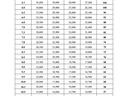
Chart with the left column showing the number of seed per found corresponding to the various row widths from 20 to 36 inches on the right

Corn & Soybean Seeding Calibration Charts

Seeds with technological traits are one of the higher cost per acre of production inputs. Thus, one way to ensure maximum profit potential is to calibrate seeding rates. Use the charts below to…

Flyer with details of the award and the web line to nominate an individual

New Soybean Agent of the Year Award

This year, the NC Soybean Producers Association has begun an award to recognize NC Extension Agents that have made an impact on soybean production. The award recognizes Agents that have gone above…

Crop enterprise budget comparison for corn, soybean, cotton, peanut, tobacco and cotton

2023 Commodity Enterprise Budgets & Break-Even

Assuming an average county yield and current commodity price, what crop will provide the greatest return on investment in 2023 if one is considering tobacco, corn, soybean, cotton, sweet potato or…

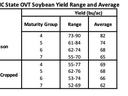
Chart showing soybean yield range and average yield by planting dates and maturing group

Early Soybean Maturity Groups Have Greater Yield Potential

While climatic factors are often indeed the determining factor for yield within Eastern North Carolina, the weather and climate conditions are beyond an agricultural producer’s control. However, two…

No image

Selecting Appropriate Soybean Varieties

Choosing appropriate soybean varieties to fit varied soil types, planting dates, disease complexes, nematode resistance, herbicide traits, desired maturity, and other desirable traits can be an…

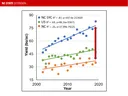
Comparison of US, NC Soybean Yield Contest Entries, and NC Soybean Yield Average

The Three Most Critical Choices for High Soybean Yield

While row-spacing, plant population, type of tillage, planting date, varietal selection, fertilization practices, inoculation, use of yield-enhancing products, herbicide choices, and insect…

No image

Interpreting Black Light Data

Black lights are established throughout North Carolina to monitor certain field crop pests. When used correctly, information gained from daily insect catches can improve pest management. Certain pest…