Lavender (Lavandula spp.) is generally not up to snuff in Craven County's hot and humid climate. However, if certain lavender species and hybrids can be grown in Florida, then they certainly should be able to handle our summers as well. An excellent overview of hot weather lavender choices is provided in the University of Florida information note Growing Lavender in the Coastal South. Examples provided include Lavandula stoechis; 'Goodwin Greek Gray' L. dentata x L. lanata; L. dentata; L. heterophylla; and 'Phenomenal' L. x intermedia. While these examples point to a lot of opportunities for lavender in our area, I did note a couple of precautions in the article. First, it is suggested that if you are new at growing lavender, try pots. One obvious advantage is that you are far more likely to have good drainage - a must for lavender - if the plants are in containers rather than garden soil. Secondly, the writer reminds us that " ... in our climate (Florida), most lavenders are not going to be long lived." See the NC Extension Gardener Plant Toolbox for additional information on lavenders for North Carolina.
Lavender in Southeastern NC
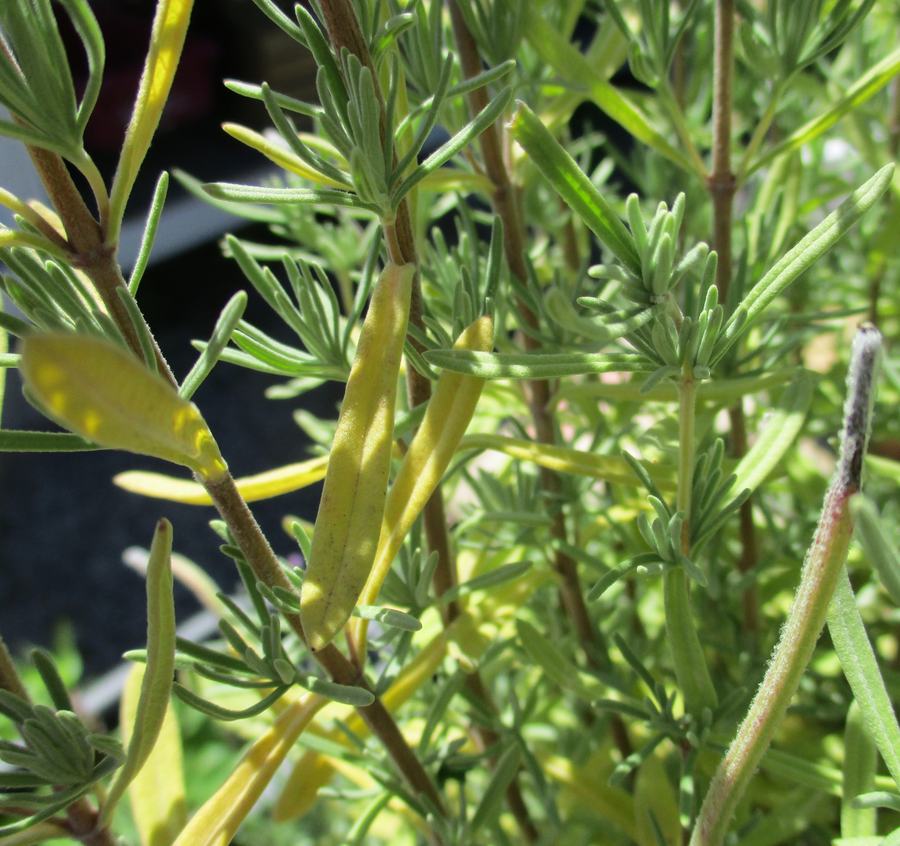
New Bern on June 18. The yellow leaves had raised concerns about disease, heat stress or other problems.
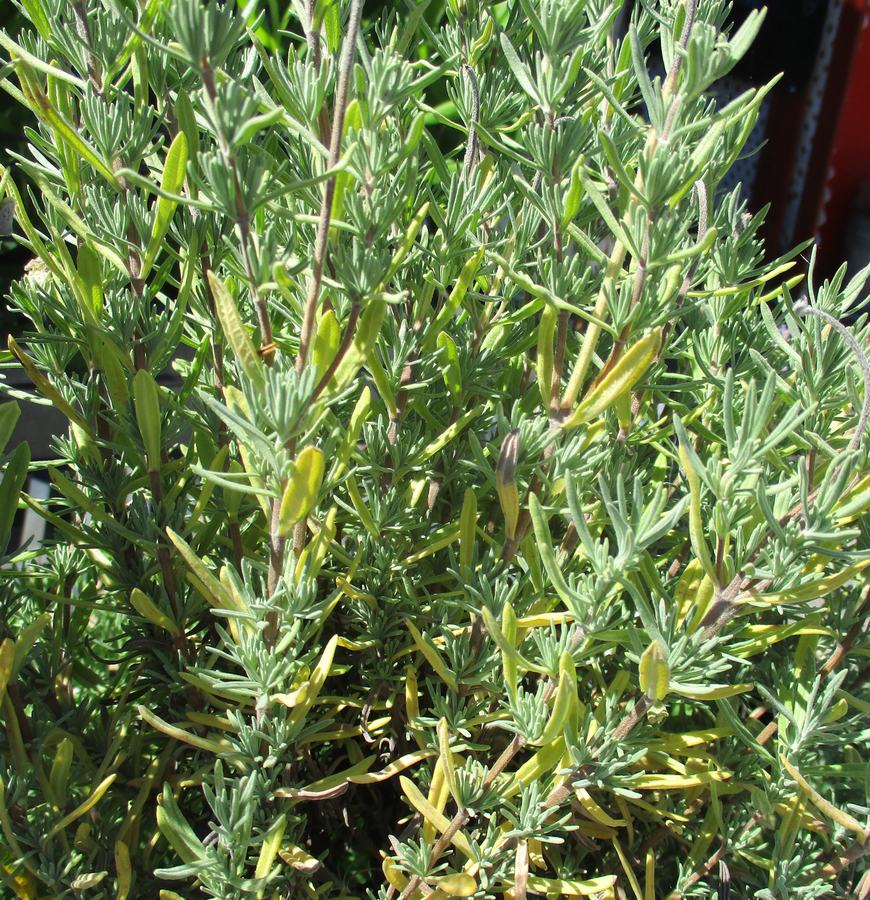
current season's growth. Given the known heat tolerance of Lavandula stoechis, this is very
likely seasonal yellowing and dropping of the oldest foliage. There might be a need for nitrogen
fertilizer, but it's very important not to overapply with lavender. Use only a very light amount of
slow-release fertilizer in the spring, or add a very light topdressing of fully composted organic material.
Join our mailing list!
Enter your email address to receive updates.
Written By