Sooty mold on crapemyrtle is most likely the result of an infestation of crapemyrtle aphids (Tinocallis kahawaluokalani). However, with multiple reports of crapemyrtle bark scale (Acanthococcus lagerstroemiae) in North Carolina over the past few years, it's a good idea to look for that insect as well, whenever you encounter sooty mold on crapemyrtles. Refer to the linked articles for information on biology and control of both insects.
Crapemyrtle Aphids
(Updated: July 15, 2021, 3:37 a.m.)
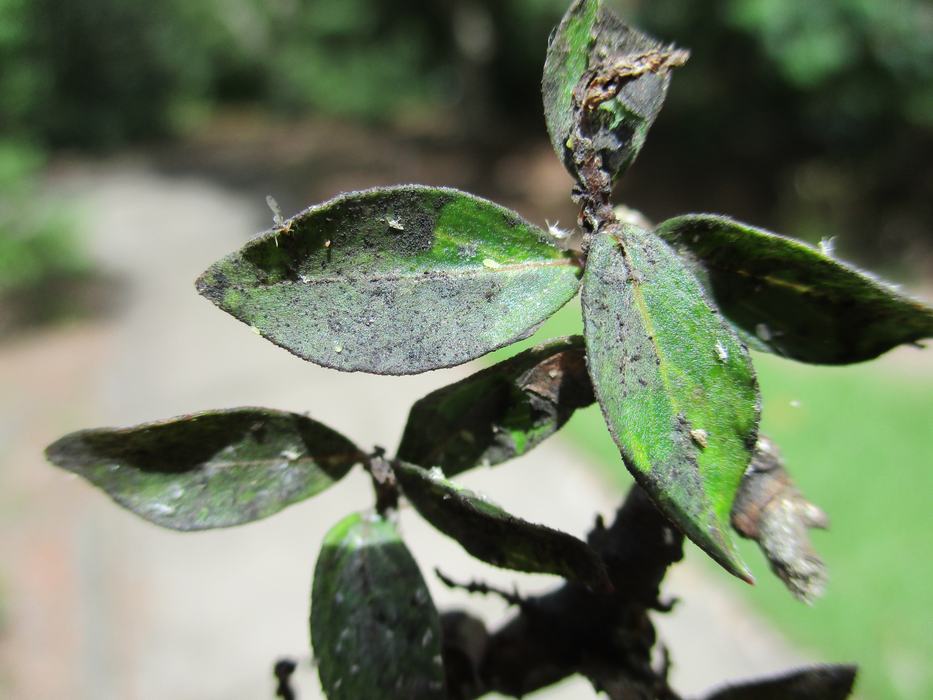
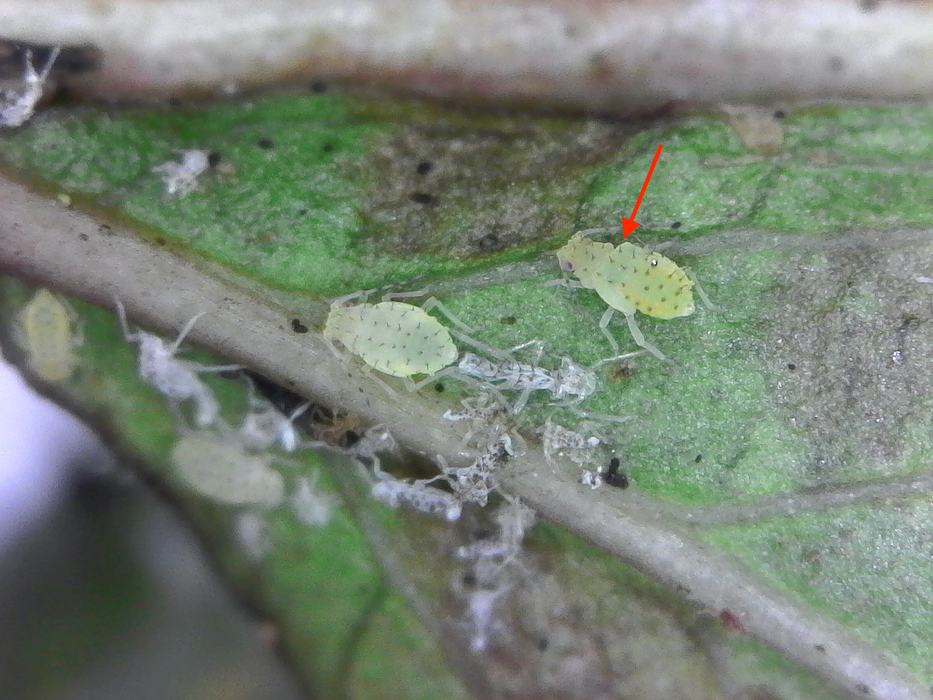
a distinguishing feature of adult crapemyrtle aphids.
Join our mailing list!
Enter your email address to receive updates.
Written By